
Can You Get Invisalign With Missing Teeth or Dental Work Already Done?
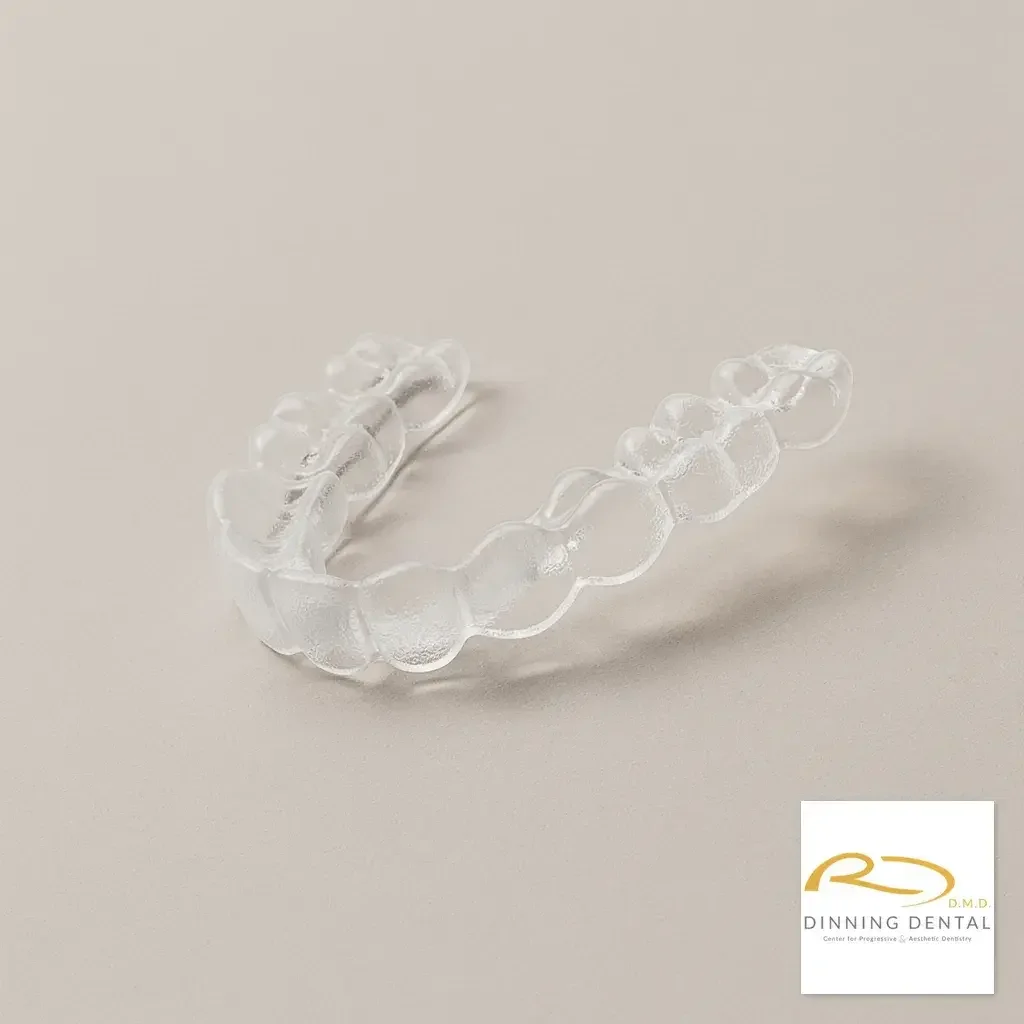
Yes, Invisalign treats teeth around missing gaps, crowns, fillings, or bridges. It's best to align existing teeth before addressing tooth replacement. Dr. Dinning evaluates your existing dental work. Bite pattern to design a personalized aligner sequence, often coordinating implant or bridge placement after your teeth shift into their corrected, healthier position for lasting results.
Can Invisalign Really Work With Missing Teeth?
Missing one or more teeth does not rule you out of clear aligner treatment. Gaps in your smile create a different treatment path, not a closed door. Invisalign with dental work, including cases involving tooth loss, remains a realistic option for many adults in Nashville who assumed braces or aligners were off the table.
Timing matters more than most patients expect. Straightening your remaining teeth with Invisalign generally comes before any replacement work. Aligners can shift teeth into a more favorable position for a future implant or bridge. Aligning existing teeth first typically simplifies the process and enhances results before any tooth replacement.
Do you need to fix missing teeth before starting Invisalign?
No, and in most cases the opposite order works better. Aligning your existing teeth first gives your dentist a clearer picture of where a replacement tooth should sit. Waiting until after treatment also helps prevent your new restoration from interfering with tooth movement during the aligner phase.
Who can evaluate your candidacy for aligners with missing teeth?
Dr. Ronald Dinning, a nationally recognized cosmetic and restorative dentist practicing in Nashville, guides patients through this exact evaluation. As Ronald B. Dinning, D.M.D., he treats patients from his Nashville, TN practice, giving local residents a nearby resource for assessing **Invisalign in Nashville** when tooth loss is part of the picture.
A short list clarifies what typically factors into that evaluation:
Number and location of missing teeth
Whether adjacent teeth have shifted
Long-term restoration plans, such as an implant or bridge
Overall alignment goals for your remaining teeth
Your dentist reviews these details before recommending a sequence that protects both your bite and your future restoration.
Why Do Teeth Shift Toward Open Gaps?
Ligament tissue, not bone, anchors your tooth roots in place. That single fact explains why gaps open wider over time and why your bite changes shape after tooth loss. Because ligament rather than rigid bone holds each root, your teeth keep a small but real capacity to flex and drift. Left alone, that movement pulls neighboring teeth sideways into the empty space, tilts them, and gradually shifts your entire bite.
This matters directly if you're weighing Invisalign with dental work. A missing tooth changes how your treatment plan gets built. Your dentist has to account for the drift that's already happened and the drift that could still occur during treatment. That means extra planning around the gap itself, not just the crowded or crooked teeth you notice first.
Does a missing tooth make aligner treatment harder?
Not harder, exactly, but different. A gap requires careful mapping so neighboring teeth move in a controlled, predictable direction instead of tipping into open space. Your treatment plan accounts for this from the start rather than adjusting after problems appear.
How do aligners handle teeth next to a gap?
A series of custom, progressively shaped trays gradually guides teeth into their intended positions, including the ones bordering a missing tooth. Each tray builds on the last, so movement near the gap stays measured rather than uncontrolled. Patients considering Invisalign in Nashville benefit from this staged approach. It gives your dentist checkpoints to confirm teeth are tracking correctly before moving to the next stage. This structured process is exactly why planning around a gap makes such a meaningful difference in your final result.
Should You Fill Gaps Before or After Aligners?
Timing matters more than most patients realize. Waiting until after your aligner treatment finishes typically produces better results than restoring a missing tooth first. Moving your existing teeth into their ideal positions before placing a permanent restoration gives Dr. Dinning an accurate final blueprint for your new smile.
Restoring too early creates a fixed point in your mouth that aligners cannot shift. That rigidity can throw off your bite and limit how much correction is possible later.
Why wait until treatment ends?
Aligning your natural teeth first lets your dental team plan the exact size, shape, and position needed for a replacement tooth. You avoid the risk of building a restoration around a gap that later closes or narrows as your teeth shift.
What if you already have dental work?
Existing crowns, bridges, or implants don't rule out Invisalign with dental work — they simply require careful planning around them. If you're weighing your options for Invisalign in Nashville, understand that clear aligner brands aren't identical. ClearCorrect, for example, is one alternative Nashville patients often compare against Invisalign, especially with complex cases involving missing teeth or prior restorations.
Consider these factors before deciding on sequence:
Number and location of missing teeth — front-tooth gaps often need different handling than back-tooth gaps.
Type of existing dental work — crowns and bridges behave differently than natural enamel under aligner pressure.
Long-term bite goals — restoring too soon can undermine the very alignment you're paying for.
Comparing how aligner systems like ClearCorrect stack up against Invisalign helps you and your Nashville dentist choose the smartest treatment order for your specific mouth.
How Does Prior Dental Work Affect Invisalign?
Dental implants, bridges, and crowns don't rule out clear aligner treatment. Your care team maps the entire plan around your existing dental work, shifting only the natural teeth that need movement while treating restored teeth as fixed anchor points. That distinction matters, because it determines how your treatment plan gets built from the very first scan.
Invisalign with dental work requires a dentist who understands both orthodontic movement and restorative dentistry. At Dinning Dental Nashville, Dr. Dinning's background in full-mouth rehabilitation, cosmetic veneers, and minimally invasive laser treatments gives him a working knowledge of how implants, bridges, and crowns behave under aligner pressure. That experience shapes a plan built specifically around your dental history, not a generic template.
Do dental implants move with Invisalign?
No, implants stay fixed in the jawbone and don't shift like natural teeth. Your aligner design accounts for this, using the implant as a stable anchor while guiding surrounding teeth into alignment. Bridges work similarly, acting as a stationary point around which your smile gets straightened.
What makes treatment planning different with prior dental work?
Planning starts with a full review of your dental history before any aligner gets designed. Dinning Dental Nashville blends current digital scanning technology with personalized, compassionate care to build a plan suited to your mouth's specific structure.
Consider what your plan should address:
Location and stability of existing implants or bridges
Condition of crowns or veneers near teeth being moved
Bone support around restored areas
Bite alignment goals for your remaining natural teeth
Understanding how personalized care and modern technology work together helps you make a confident, informed decision about straightening your smile despite past dental work.
What's the Next Step for Nashville Patients?
A personalized consultation stands as your clearest path forward if dental history complicates your smile goals. Missing teeth, old restorations, or gaps left behind don't have to keep you from straighter teeth. Dinning Dental Nashville builds treatment plans around your specific dental picture, not a generic template.
Your first visit centers on evaluation, not assumptions. Whether you're hoping to enhance your smile's appearance or resolve a more complicated alignment issue tied to prior dental work, that visit gives Dr. Dinning the information needed to map out a realistic plan. You walk in with questions; you walk out with a strategy built for your mouth specifically.
What happens during a clear aligner consultation?
Expect a full review of your teeth, gaps, and any existing dental work before treatment planning begins. Dr. Dinning discusses your goals, examines problem areas, and explains how aligner therapy fits your case.
Will I see real results, even with a complicated dental history?
Nashville patients have already shared their own before-and-after outcomes from clear aligner treatment at the practice. Many started with histories more complex than a simple cosmetic fix. Those results speak to what's possible when planning accounts for your full dental background.
If misaligned teeth or gaps from missing teeth have left you frustrated, treatment built around your circumstances may be the answer you've been searching for. Here's how to move forward:
Schedule a consultation to review your dental history and goals
Ask specifically about aligner options for Invisalign with dental work
Discuss timeline and expectations based on your unique case
Invisalign in Nashville starts with that first honest conversation.
FAQ
Can you get Invisalign with missing teeth?
Yes, Invisalign treats teeth around missing gaps, crowns, fillings, or bridges. Dr. Dinning evaluates your existing dental work and bite pattern to design a personalized aligner sequence for lasting results.
Should you replace missing teeth before starting Invisalign?
No, aligning your existing teeth first works better in most cases. Straightening teeth before replacement gives your dentist a clearer picture of where the new tooth should sit.
Who evaluates your candidacy for Invisalign with missing teeth in Nashville?
Dr. Ronald Dinning, a nationally recognized cosmetic and restorative dentist, evaluates patients at his Nashville, TN practice. He reviews missing teeth, tooth shifting, and restoration plans before recommending a treatment sequence.
Conclusion
In closing, the path to straighter teeth with Invisalign remains open even when you have missing teeth or existing dental work. Your unique situation requires a personalized evaluation to determine the best approach for your smile goals. Dr. Dinning and our team assess each patient individually, crafting treatment plans that address your specific needs and circumstances. With proper planning and professional guidance, you can achieve the confident, aligned smile you deserve.
